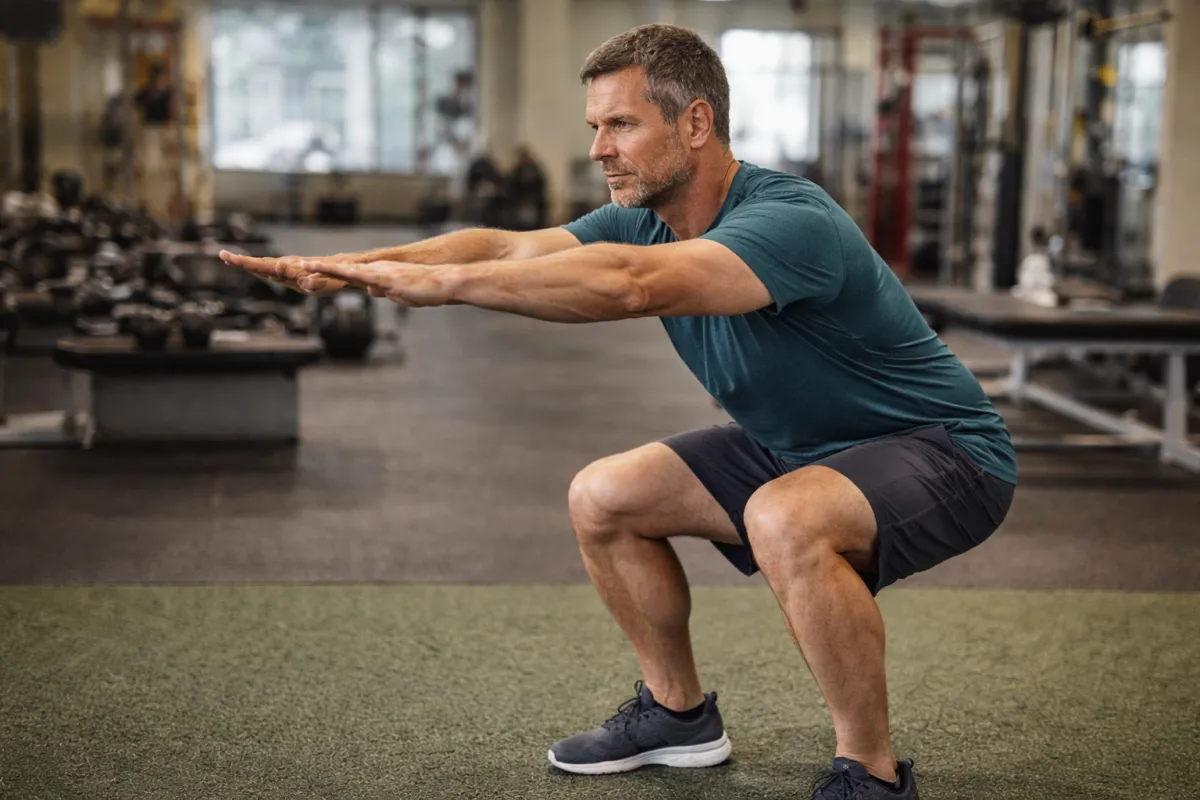
Maximize Your Fitness: Why a Personal Trainer Matters
Transform Your Fitness with a Trainer
Personal training addresses the specific needs of adults over 40 with programs and coaching built around their bodies, goals, and schedules.
Customized Programs: Trainers design workouts that match your current fitness, goals, and any limitations—so sessions are safe, effective, and focused on what matters most to you.
Expert Coaching: With hands-on instruction and cueing, you learn safe movement patterns that cut injury risk and get better results from every minute you spend training.
Supportive Community: Working with a trainer often connects you to a community—people who encourage you, keep you accountable, and celebrate the small wins along the way.
If you’re ready for a practical, community-centered approach, Catalyst Fitness offers personal training and semi-private coaching designed to build accountability and real results.
How Does Personalized Fitness Planning Enhance Results?
Personalized planning lets trainers prioritize what will move you toward your goals fastest—whether that’s losing weight, building strength, or improving stamina. Key benefits include:
Tracking Progress: Regular check-ins and measurements make progress visible and keep motivation high.
Motivation Through Tailored Plans: When workouts reflect your interests and abilities, you’re more likely to stick with them—and enjoy the process.
In What Ways Does Expert Guidance Improve Motivation and Accountability?
A good trainer does more than show exercises—they create the structure that keeps you consistent. They provide:
Role of Trainers in Accountability: Scheduled sessions and clear expectations make it harder to skip workouts and easier to form habits.
Expertise in Fitness: Trainers know how to progress movements and adjust when things don’t go as planned, so you keep improving safely.
Motivational Techniques: By setting realistic milestones and celebrating wins, trainers keep momentum strong through plateaus and busy stretches.
How Does Semi-Private Coaching Support Sustainable Fitness Results?
Semi-private coaching blends personalized training with the energy of a small group—making it an efficient, motivating option for many adults over 40.
Customized Workouts: Even in a group, coaches scale movements and plans to individual needs so everyone gets targeted work.
Expert Coaching: You still get professional oversight and corrections, plus the benefit of learning from how others move and progress.
Community Support: Small groups build accountability and camaraderie, which help you stay consistent long-term.
What Are the Advantages of Community Support in Semi-Private Coaching?
The group dynamic is a powerful motivator. In semi-private sessions you’ll often find:
Sense of Belonging: Training with others reduces isolation and makes workouts something you look forward to.
Shared Motivation: Seeing peers push themselves can spark extra effort and consistency in your own training.
Accountability: A small group often becomes a built-in support system that helps you show up even on tough days.
How Does Semi-Private Coaching Compare to Personal Training?
Comparing semi-private coaching to personal training comes down to priorities:
Differences in Attention: Personal training gives one-on-one focus; semi-private coaching shares the coach’s attention across a small group while still allowing individual adjustments.
Cost-Effectiveness: Semi-private coaching generally costs less per person, making expert-led training more accessible.
Community Benefits: The group environment can boost enjoyment and adherence—two big factors in long-term success.
Why Is Personalized Attention Crucial for Busy Adults Over 40?
Personalized attention helps busy adults over 40 get the most out of limited time while protecting health and mobility.
Tailored Training Programs: Programs designed around your schedule and needs make workouts realistic and sustainable.
Expert Coaching: Trainers help you navigate past injuries, joint concerns, or other limits so you can progress safely.
Supportive Community: A coach and peers who know your story make it easier to stay committed when life gets hectic.
How Do Tailored Workout Plans Fit Busy Lifestyles?
Thoughtful programming fits exercise into a full life by focusing on efficiency and flexibility:
Flexibility in Scheduling: Coaches work with early mornings, late evenings, or whatever times fit your week.
Efficiency of Workouts: Short, focused sessions can deliver big benefits when they’re well-designed.
Accountability Mechanisms: Regular check-ins and progress markers keep you on track, even during busy periods.
Making fitness part of a demanding schedule is tough—that’s exactly what personalized training is built to solve.
Personal Training for Busy Lifestyles
Balancing work, family, and fitness isn’t easy. As a personal trainer in San Mateo, I’ve helped many clients find manageable, effective ways to train around packed schedules. The good news: staying fit while busy isn’t just possible—it often improves energy, focus, and overall quality of life.
How to Balance Fitness and Busy Life: Tips from Holly Roser
What Role Does Accountability Play in Long-Term Fitness Success?
Accountability is a driving force behind lasting change. It looks like:
Importance of Accountability Partners: A trainer or trusted workout partner raises the odds you’ll follow through.
Tracking Progress: Regular feedback and measurable goals keep effort aligned with outcomes.
Consistency in Routines: Building predictable habits with accountability leads to real, lasting lifestyle shifts.
Research supports this approach—human support and clear expectations help people stick with new health behaviors.
Boosting Fitness Adherence Through Supportive Accountability
We use a “Supportive Accountability” approach: human support boosts adherence when the coach is trusted, caring, and skilled. Accountability works best when expectations are clear and the client helps shape the plan.
Supportive accountability: a model for providing human support to enhance adherence to eHealth interventions, D Mohr, 2011
What Are the Long-Term Health Benefits of Hiring a Personal Trainer?
Hiring a trainer delivers measurable benefits over time—especially for those over 40—helping you move better, feel better, and stay independent longer.
Improved Strength: Regular strength work preserves muscle and mobility, which supports independence as you age.
Increased Energy: Consistent exercise raises daily energy and makes everyday tasks easier.
Greater Confidence: Reaching fitness milestones boosts self-esteem and the way you feel in your body.
How Does Consistent Training Lead to Sustainable Fitness Results?
Consistency builds a strong foundation that prevents setbacks and keeps progress steady:
Building a Strong Foundation: Regular training improves strength, endurance, and movement quality.
Preventing Plateaus: A well-structured plan keeps your body adapting and progressing.
Long-Term Commitment: Habits formed through consistent coaching create a lasting commitment to health.
What Recent Industry Data Supports Personal Training Effectiveness?
Recent findings show that working with a trainer improves outcomes. Highlights include:
Increased Adherence Rates: People training with professionals tend to stay with their programs longer.
Improved Results: Guided training often produces better strength, fitness, and body-composition changes than training alone.
Trends in Fitness: Growing demand for personal and small-group coaching reflects their real-world effectiveness.
Frequently Asked Questions
What should I look for when choosing a personal trainer?
When selecting a personal trainer, consider their qualifications, experience, and specialization. Look for certifications from reputable organizations, as well as experience working with clients in your age group or with similar fitness goals. It's also important to assess their communication style and personality to ensure a good fit. A trial session can help you gauge their approach and whether it aligns with your needs. Lastly, check reviews or testimonials from previous clients to understand their effectiveness and reliability.
How often should I meet with a personal trainer?
The frequency of sessions with a personal trainer can vary based on your goals, schedule, and budget. For optimal results, meeting 1-3 times per week is common, allowing for consistent guidance and accountability. However, some clients may benefit from more frequent sessions, especially when starting out or working on specific skills. Additionally, trainers can provide workout plans for you to follow independently between sessions, ensuring you stay on track and make progress even when not training together.
Can personal training help with injury rehabilitation?
Yes, personal training can be beneficial for injury rehabilitation, provided the trainer has experience in this area. A qualified trainer can design a program that accommodates your injury while promoting recovery and strength building. They will work closely with you to ensure exercises are safe and effective, helping to prevent further injury. It's essential to communicate openly about your injury and any limitations, and ideally, your trainer should collaborate with your healthcare provider for the best outcomes.
What types of fitness assessments do personal trainers conduct?
Personal trainers typically conduct various fitness assessments to evaluate your current fitness level and tailor a program to your needs. Common assessments include body composition analysis, flexibility tests, strength evaluations, and cardiovascular fitness tests. These assessments help establish a baseline and set realistic goals. Regular reassessments can track progress and adjust your training plan accordingly, ensuring you stay motivated and on the right path toward achieving your fitness objectives.
How can I maintain motivation outside of training sessions?
Maintaining motivation outside of training sessions can be challenging, but there are several strategies to help. Setting specific, achievable goals can provide direction and purpose. Additionally, keeping a workout journal to track progress and celebrate small victories can boost motivation. Engaging in group classes or finding a workout buddy can also create a sense of community and accountability. Lastly, varying your workouts and trying new activities can keep things fresh and enjoyable, making it easier to stay committed to your fitness journey.
What should I expect during my first personal training session?
During your first personal training session, expect an initial assessment where the trainer will discuss your fitness goals, medical history, and any limitations. They may conduct fitness tests to gauge your current level. This session is also an opportunity for you to ask questions and express any concerns. The trainer will likely guide you through a few exercises to assess your movement patterns and comfort level. Overall, the first session is about building rapport and laying the groundwork for your personalized training plan.
