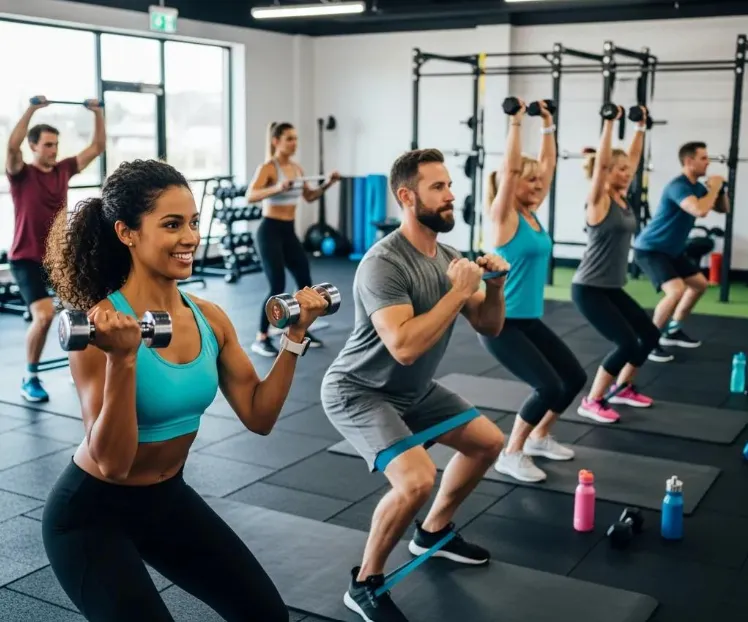
Strength Training for Beginners: Essential Exercises & Tips | Catalyst Fitness
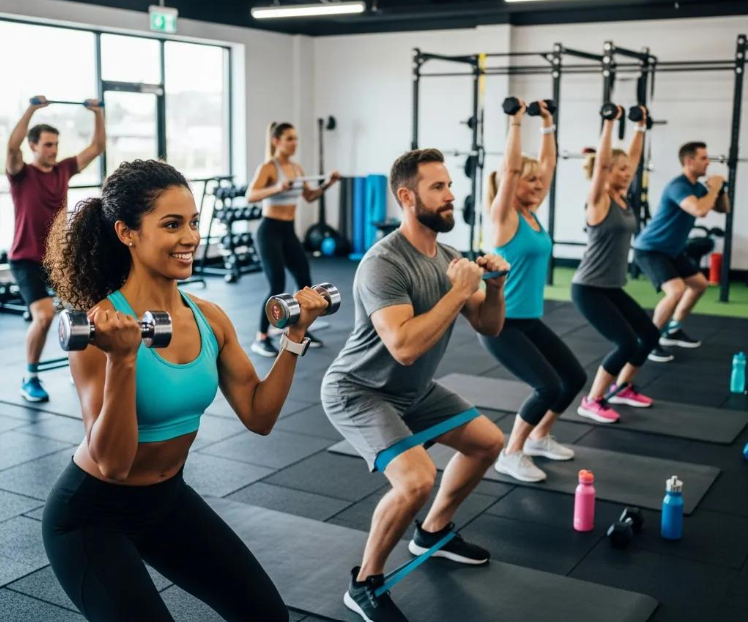
Beginner Weight Training Tips: How to Start Strength Training Safely and See Real Progress
Starting strength training can be empowering — and a little intimidating. Strength work builds muscle, boosts overall health, and makes everyday movement easier. This guide gives practical, beginner-friendly advice so you can train safely and effectively. If the variety of exercises and equipment feels overwhelming, don’t worry: understanding the basics will give you a clear, steady path forward. We’ll cover foundational exercises, benefits for adults over 40, the perks of personal and semi-private coaching, and how to begin lifting with confidence.
What Are the Essential Strength Training Exercises for Beginners?
Foundational strength exercises target the body's major muscle groups and create a stable base for future progress. As a beginner, focusing on a short list of reliable movements helps you build strength, balance, and coordination without overcomplicating your routine.
Which beginner exercises build foundational muscle strength?
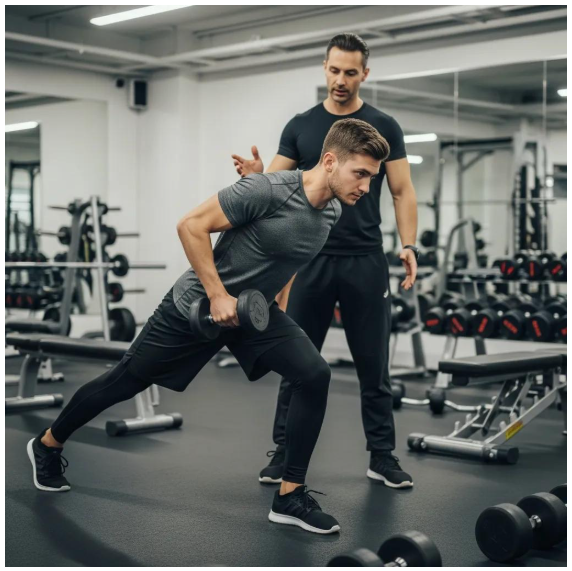
Dumbbell Bent-Over Row: Targets the upper back and helps improve posture. Aim for 2–3 sets of 8–12 reps, keeping a neutral spine and controlled tempo.
Single-Arm Dumbbell Row: A unilateral choice that corrects imbalances and builds single-side strength. Perform 2–3 sets of 8–12 reps per arm with slow, deliberate reps.
Dumbbell Deadlift: A compound move that works the legs, glutes, and lower back. Start with 2–3 sets of 10–15 reps and maintain a flat back throughout each lift.
These movements give you a practical foundation to build strength safely and progressively.
How to perform basic strength training moves safely?
Safety should come first when you’re new to lifting. Follow these simple guidelines to lower injury risk and get more from every session:
Start with light weights: Pick loads that let you master form before increasing weight. Progress gradually as your strength and confidence grow.
Focus on movement quality: Prioritize clean technique over heavier loads. Good form protects you and ensures the right muscles are working.
Warm-up and cool down: Begin with a short warm-up to prime muscles and finish with a cool-down to aid recovery.
Keeping these habits will make your training safer and more effective from day one.
How Can Adults Over 40 Benefit from Strength Training?
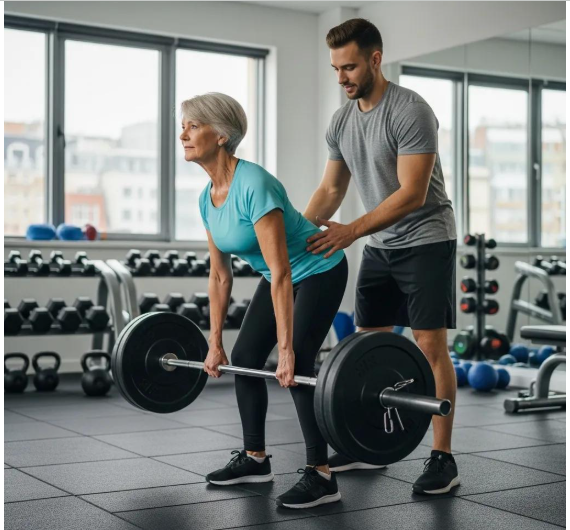
Strength training is especially valuable after 40. It helps preserve muscle, supports joint health, and keeps daily activities easier and safer. Regular resistance work can make a big difference in mobility and long-term wellness.
What are the health and metabolic benefits of strength training over 40?
Adults over 40 can expect several important benefits from a consistent strength program, including:
Increased muscle mass: Resistance training slows age-related muscle loss and improves functional strength.
Improved bone density: Loading the skeleton helps maintain bone health and lowers fracture risk.
Enhanced metabolism: More muscle raises resting metabolic rate, which supports weight management and overall health.
These gains make strength training a key part of a long-term health strategy.
How does strength training help prevent injuries in older adults?
Strength work reduces injury risk by improving the body's ability to move and stabilize. Important elements include:
Building strength: Strong muscles around joints offer better support and reduce strain during everyday tasks.
Improving movement quality: Strength and coordination training lead to safer movement patterns, lowering the chance of sprains or strains.
Core stability: A stable core improves balance and reduces fall risk — a major factor in staying healthy as you age.
What Are the Advantages of Personal and Semi-Private Training for Beginners?
Personal and semi-private training deliver targeted support that helps beginners learn faster and more safely. Both formats provide coaching, structure, and accountability — the difference is how individualized the attention is.
How does semi-private coaching support beginners’ progress?
Semi-private sessions combine expert guidance with a small-group environment. That setup offers several benefits:
Customized workouts: Trainers can modify exercises so each person works at their level and toward their goals.
Expert coaching: Professional instruction helps you learn technique, avoid common mistakes, and progress efficiently.
Community support: Working alongside others builds motivation and makes consistency easier to sustain.
What are the differences between personal training and group classes?
Choosing between personal training and group classes depends on your goals, budget, and learning style.
Attention and focus: Personal training gives one-on-one feedback and a program tailored specifically to you.
Cost-effectiveness: Group classes are generally more affordable while still giving structured workouts and coaching.
Community support: Group settings create camaraderie that can boost motivation and enjoyment.
How Do Beginners Start Lifting Weights Safely and Effectively?
Begin with a plan that emphasizes consistency and progression. Use these core strategies to set yourself up for success:
Start with strength training: Begin with bodyweight moves or light weights to build a movement foundation before increasing load.
Prioritize movement quality: Good form is the fastest path to steady, injury-free progress.
Work with a coach: A qualified trainer speeds learning, corrects technique, and helps you progress safely.
If you want guided, personalized help, Catalyst Fitness offers services designed to meet different goals and experience levels.
What equipment do beginners need for strength training?
You can start with a few simple pieces of equipment:
Dumbbells: Versatile tools for most beginner strength exercises.
Resistance bands: Portable and effective for adding resistance without heavy weights.
Bodyweight exercises: Push-ups, squats, and planks build strength with no equipment required.
How often should beginners schedule strength training sessions?
For steady progress, aim for 2–3 strength sessions per week. Keep these points in mind:
Focus on consistency: Regular sessions build strength and establish routine more than occasional intense workouts.
Gradual progression: Increase weight, reps, or sets slowly as your strength and confidence grow to avoid plateaus and injuries.
Follow these basics and you’ll create a safe, effective strength routine that delivers lasting results.
Frequently Asked Questions
What should beginners know about nutrition when starting strength training?
Nutrition plays a crucial role in supporting your strength training journey. Beginners should focus on a balanced diet rich in protein, healthy fats, and complex carbohydrates. Protein is essential for muscle repair and growth, while carbohydrates provide the energy needed for workouts. Staying hydrated is also vital for performance and recovery. Consider consulting a nutritionist to create a meal plan that aligns with your fitness goals and complements your training regimen.
How can beginners track their progress in strength training?
Tracking progress is essential for motivation and improvement. Beginners can keep a workout journal to log exercises, weights, sets, and reps. Additionally, taking progress photos and measuring body composition can provide visual evidence of changes over time. Setting specific, measurable goals, such as increasing weight or reps, can also help maintain focus and accountability. Regularly reviewing your progress will help you adjust your training plan as needed.
What are common mistakes beginners make in strength training?
Beginners often make several common mistakes that can hinder progress or lead to injury. These include lifting weights that are too heavy, neglecting proper form, and skipping warm-ups or cool-downs. Additionally, many beginners may not allow adequate recovery time between sessions, which is crucial for muscle growth. Educating yourself about proper techniques and listening to your body can help you avoid these pitfalls and ensure a safer training experience.
Is it necessary to have a gym membership for strength training?
No, a gym membership is not strictly necessary for strength training. Many effective exercises can be performed at home using minimal equipment, such as dumbbells, resistance bands, or even bodyweight exercises. If you prefer a gym environment for access to equipment and classes, that’s great, but you can also achieve significant results with a well-structured home workout routine. The key is consistency and proper technique, regardless of location.
How can beginners stay motivated during their strength training journey?
Staying motivated can be challenging, especially for beginners. Setting realistic, achievable goals can provide a sense of accomplishment and keep you focused. Joining a workout group or finding a training partner can also enhance motivation through social support. Additionally, varying your workouts to include different exercises or training styles can keep things fresh and exciting. Celebrating small milestones along the way will help maintain enthusiasm and commitment to your fitness journey.
What role does rest play in a strength training program for beginners?
Rest is a critical component of any strength training program, especially for beginners. Muscles need time to recover and repair after workouts, which is when growth occurs. Incorporating rest days into your routine helps prevent overtraining and reduces the risk of injury. Aim for at least one to two rest days per week, and listen to your body; if you feel fatigued or sore, consider taking additional rest to ensure optimal recovery and performance.
